
How to Read Waves?
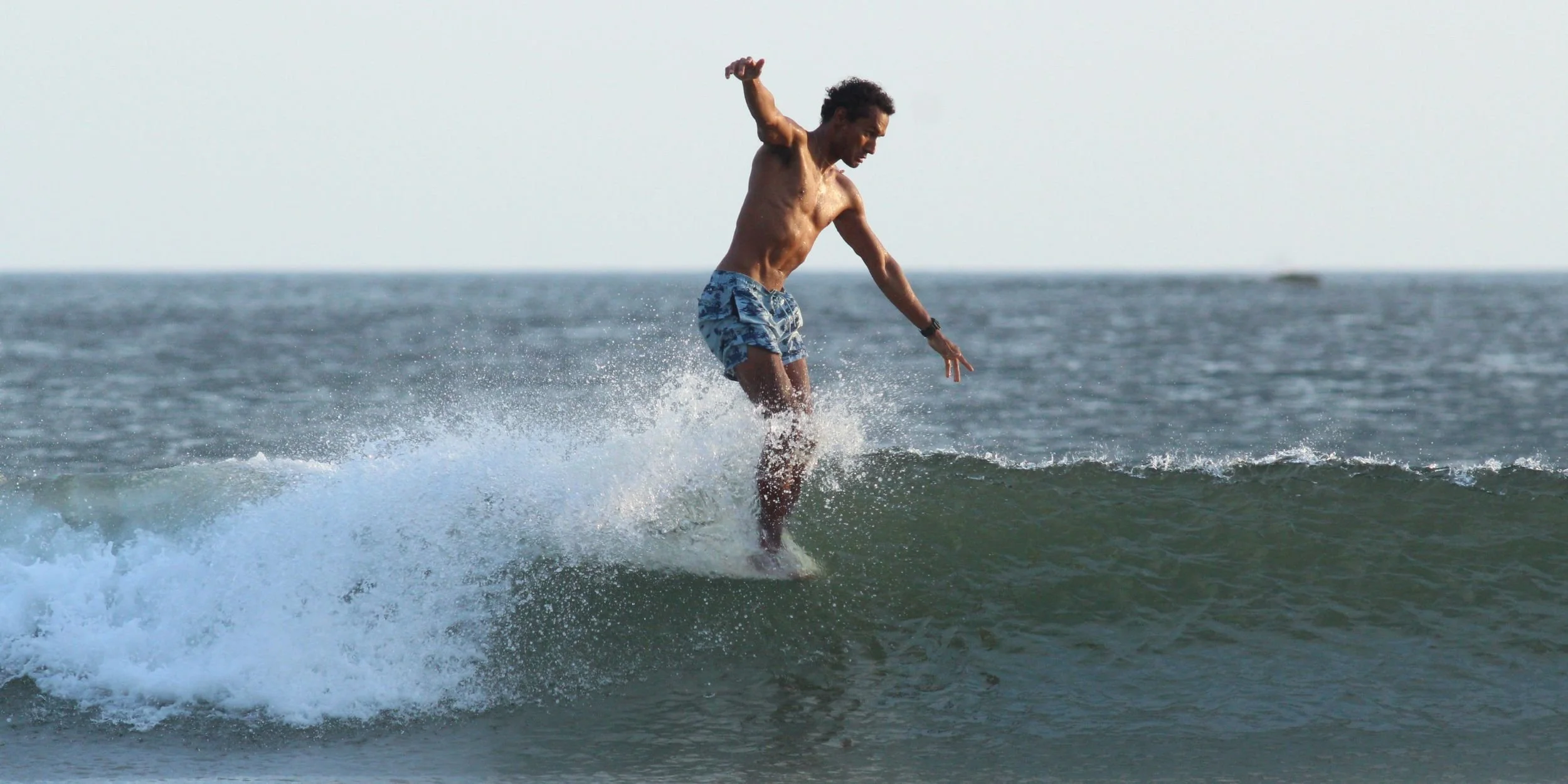
Learning to read waves is one of the most important skills you can develop as a surfer. It helps you choose better waves, catch more waves, and feel more confident in the water.
Watch the ocean first
Before paddling out, take a few minutes to watch the waves. Look at where they are breaking, how often the sets arrive, and where other surfers are sitting.
Ask yourself:
Where is the peak?
Which direction are the waves breaking?
Are they peeling or closing out?
Where are the bigger sets coming through?
Look for the right wave
A good beginner wave usually peels gradually along the face rather than breaking all at once. Closeout waves are harder to surf because there is no open face to ride.
Look for a clear peak with an open shoulder. This gives you more time to stand up and ride along the wave.
Watch the sets
Waves usually arrive in groups called sets, followed by quieter periods. Watch a few sets before choosing your wave so you can understand the timing, size, and direction.
And remember: the biggest wave isn't always the best wave. A smaller, clean wave can be much easier and more fun to surf.
Check the conditions
Wave height isn't the only thing that matters. Pay attention to:
Swell direction – affects which beaches receive the swell.
Swell period – longer periods generally mean more powerful waves.
Wind – offshore wind can create cleaner waves, while onshore wind can make them choppy.
Tide – can change how a surf break works.
Keep practicing
The best way to learn how to read waves is to spend time watching and surfing them. Eventually, you'll start to recognize patterns and know where to sit, when to paddle, and which waves are worth catching.
At Tribu Surf, you'll learn not only how to stand on your board, but also how to understand the ocean and choose the right waves for your level.
Ready to improve your surfing? Join Tribu Surf in San Juan del Sur and start learning to read the waves.